


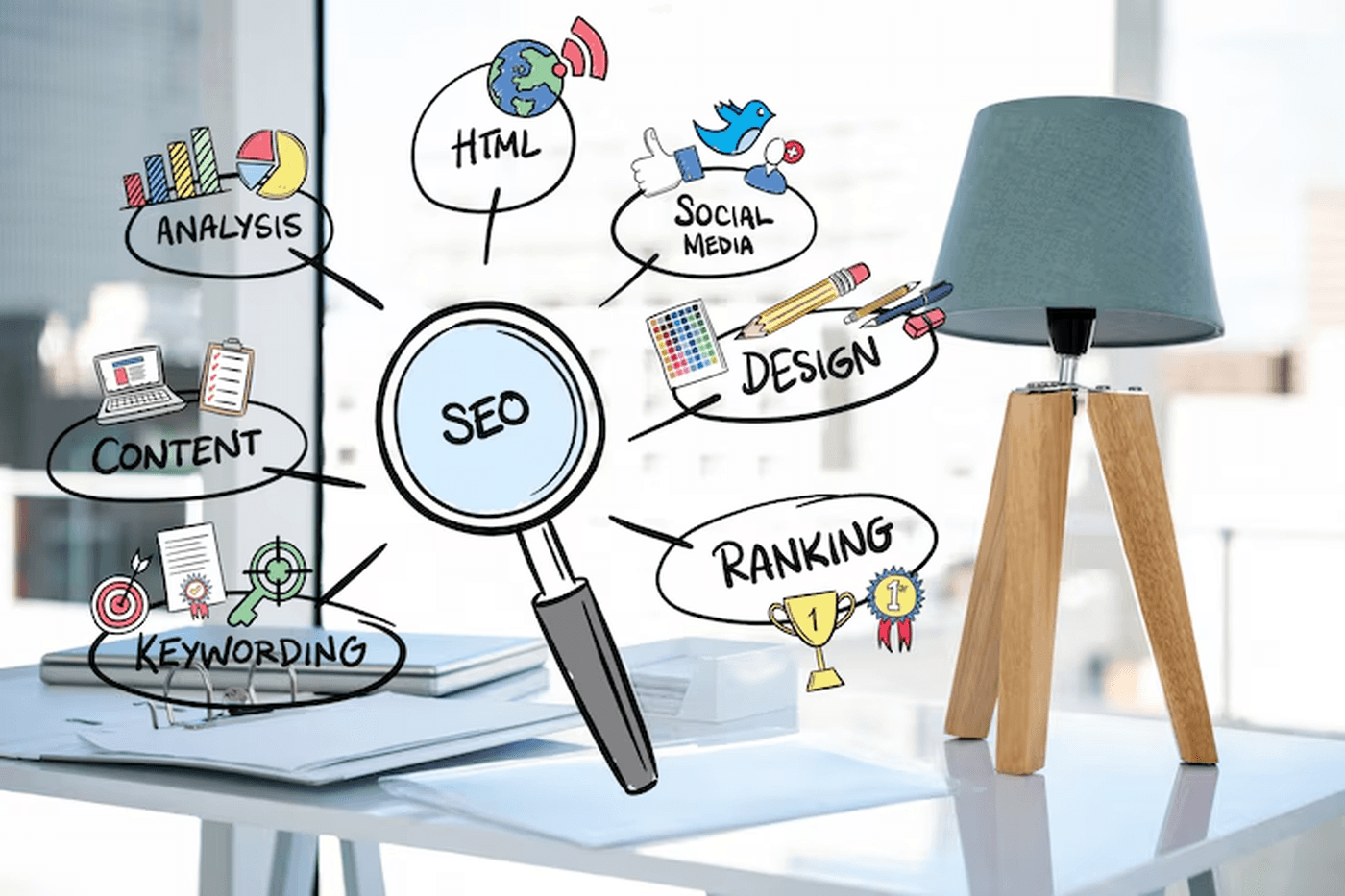
SEO content works best when it serves two audiences at the same time: people looking for useful information and search engines trying to understand that information. Rather than writing primarily for rankings, businesses should create content that answers genuine questions, demonstrates expertise and makes information easy to understand.
Here are some practical ways to make SEO content clearer, more useful and more focused on the reader.
Start With Search Intent
Before writing, establish what the user is actually trying to find.
Someone searching for “how to repair a leaking roof” has a different intention from someone searching for “roofers near me”. One may want guidance, while the other could be looking for a service provider.
Understanding search intent helps you decide:
- What information the page should contain
- How detailed the content needs to be
- Whether the page should educate or encourage an enquiry
- Which questions should be answered
- What action visitors may want to take next
The goal is to give users the information they expected when they clicked on your page.
Write for People First
SEO keywords are useful for helping search engines understand a page, but they should never make the writing awkward.
Instead of repeatedly inserting the same phrase, use natural language and related terminology.
For example, a page targeting “double glazing installation” could naturally discuss:
- Energy-efficient windows
- Replacement glazing
- Thermal performance
- Window installation
- Draught reduction
- Insulated glass units
- Window frames
This creates a more natural reading experience while providing useful context around the main subject.
Make the Main Answer Easy to Find
People often scan online content rather than reading every sentence.
Avoid making visitors work through several paragraphs before reaching the information they need.
Use:
- Descriptive headings
- Short paragraphs
- Bullet points
- Tables where appropriate
- Bold emphasis for genuinely important information
- Clear introductions
- Concise explanations
A strong structure allows someone to quickly identify whether the page contains the answer they are looking for.
Use Clear, Straightforward Language
Good SEO content does not need to sound complicated.
Avoid unnecessary jargon and overly technical language unless your audience expects it. Where specialist terminology is important, explain it clearly.
For example, rather than simply mentioning U-values, explain that they indicate how effectively a building element limits heat transfer.
Clear writing can make specialist subjects accessible while still demonstrating expertise.
Answer the Questions Your Audience Actually Has
Useful content should address the questions customers are likely to ask before making a decision.
For a UK home improvement website, this might include:
- How much does the service cost?
- How long does the work take?
- What does the process involve?
- What materials are available?
- What maintenance is required?
- Are there planning or building regulation considerations?
- What happens if something goes wrong?
FAQs can be valuable, but questions should be answered naturally throughout the main content as well.
Provide More Than Generic Information
One of the biggest problems with SEO content is that it can say a lot without actually telling the reader anything useful.
Avoid filling pages with broad statements such as “quality is important” or “every customer is different” without explaining what those statements mean.
Instead, provide practical details, examples, considerations and context.
The more genuinely useful information a page provides, the more reason a visitor has to stay and engage with it.
Keep Content Relevant to the UK
For businesses targeting UK customers, content should reflect the market it serves.
Depending on the subject, this could mean considering:
- UK terminology and spelling
- Relevant regulations and standards
- Typical property types
- UK climate and weather conditions
- Local buying considerations
- UK-specific customer expectations
- Planning permission or Building Regulations where relevant
This makes content more relevant to the people who are actually searching for your services.
Use Headings to Create a Logical Journey
Headings should not simply contain keywords. They should help visitors understand the page.
For example, instead of repeatedly using a keyword as a heading, structure a service article around questions such as:
What Is Double Glazing?
What Are the Main Benefits?
How Does Installation Work?
How Much Does Replacement Cost?
When Should You Replace Your Windows?
This creates a natural progression while giving search engines useful contextual signals.
Support Claims With Evidence
Where you make specific claims, support them with reliable evidence.
Statistics, technical information, regulations and industry guidance should ideally come from authoritative sources.
This is particularly important for subjects involving:
- Health and safety
- Construction
- Energy efficiency
- Finance
- Legal requirements
- Government regulations
Accurate information improves credibility and gives readers greater confidence in the content.
Include Useful Internal Links
Internal linking helps visitors discover related information while helping search engines understand the relationship between pages.
For example, a blog about loft conversions could link naturally to related pages covering:
- Loft conversion planning
- Dormer windows
- Building regulations
- Loft insulation
- Staircase design
Links should be genuinely useful rather than added simply to increase the number of internal links.
Make Calls to Action Relevant
Not every reader is ready to buy immediately.
A user reading an educational article may want more information before contacting a company. Your calls to action should therefore reflect the stage of the customer’s journey.
Depending on the page, this could include:
Need more information? Read our related guide.
Planning a project? Explore our services.
Ready to discuss your requirements? Get in touch with our team.
This is more helpful than placing an aggressive sales message after every section.
Update Content Regularly
SEO content should not necessarily be considered finished once it is published.
Review important pages periodically to check for:
- Outdated information
- Broken links
- Old statistics
- Changed regulations
- Missing topics
- Declining search performance
- New customer questions
- Changes to your services
Refreshing genuinely useful content can help keep it relevant for both users and search engines.
Focus on Value Rather Than Word Count
Longer content is not automatically better SEO content.
A 1,500-word article that answers a user’s question clearly can be more useful than a 3,000-word article filled with repetition.
Before adding another paragraph, ask:
Does this give the reader information they genuinely need?
If the answer is no, it may not belong on the page.
The Best SEO Content Helps Before It Sells
Effective SEO content should provide value first. It should answer questions, explain complicated subjects clearly, demonstrate relevant knowledge and help visitors make informed decisions.
For UK businesses, the strongest approach is to combine search intent, clear structure, natural keyword use, trustworthy information and genuine customer value.
When content is created around what people actually need rather than simply what businesses want to rank for, SEO and user experience can work together rather than competing with each other.