


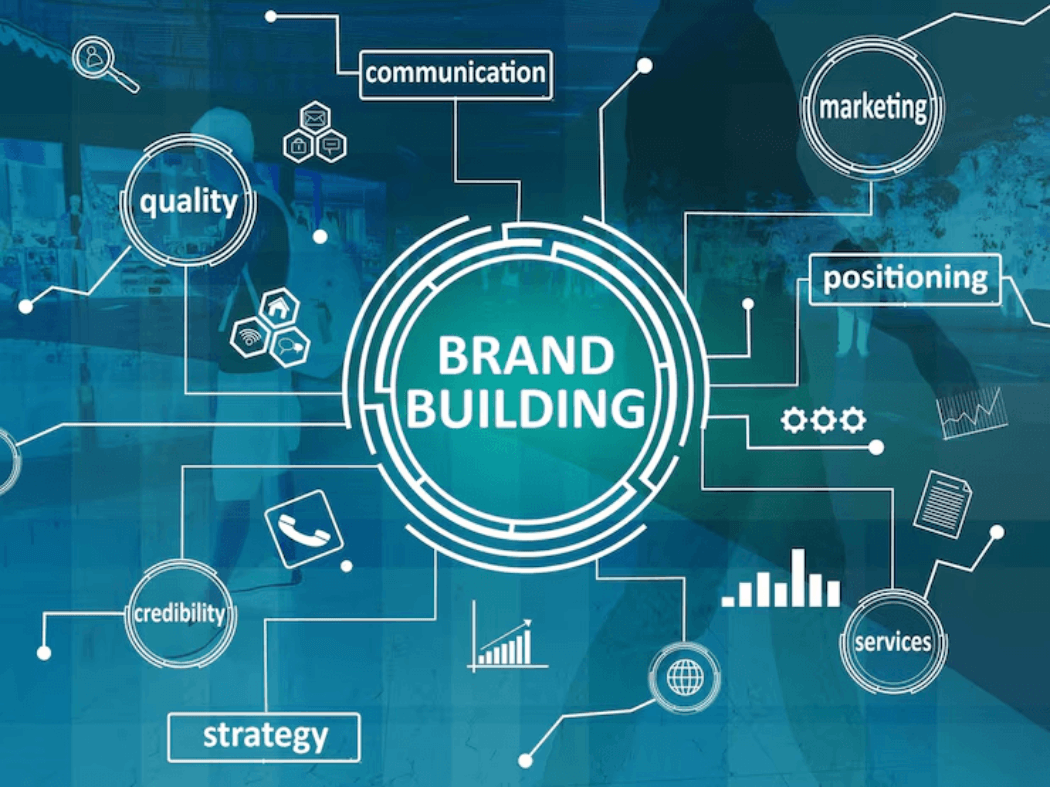
Choosing a brand agency is an important step, but knowing how to brief a brand agency effectively can be just as important. A well-prepared brief gives your agency a clear understanding of your business, audience, challenges and ambitions, helping them develop a brand strategy that is both creative and commercially relevant.
Whether you are launching a new business, repositioning an established company or bringing multiple brands together, a strong brief creates alignment from the beginning.
If your goal is to build a unified brand strategy, here is everything you should consider before starting your project.
What Is a Brand Agency Brief?
A brand agency brief is a document that outlines the key information an agency needs to understand your business and the objectives of your branding project.
It typically covers:
- Your business and industry
- Current brand positioning
- Target audiences
- Business goals
- Brand challenges
- Competitors
- Desired brand perception
- Project scope
- Internal stakeholders
- Timescales and budget
The brief does not need to have all the answers. In fact, part of the agency’s role is to uncover insights and identify opportunities you may not have considered.
The purpose is to provide enough context for the agency to understand where your brand is today, where you want it to go and what needs to change to get there.
Why a Strong Brand Brief Matters
A branding project involves much more than choosing colours, fonts or creating a new logo. A successful brand strategy needs to connect your business objectives with your audience, positioning and market opportunity.
Without a clear brief, projects can become focused on individual creative decisions rather than the bigger strategic picture.
A strong brief helps your agency:
- Understand your commercial objectives
- Identify the real brand challenge
- Establish priorities
- Understand your customers
- Assess your competitive landscape
- Develop a relevant brand positioning
- Create a consistent brand experience
- Align different internal stakeholders
- Define what success should look like
It also gives everyone a shared reference point throughout the project.
Start With Your Business Objectives
Before discussing branding, establish what the business needs to achieve.
Ask yourself what is driving the project.
Perhaps you are entering a new market, targeting a different audience, launching new services or trying to differentiate from competitors. You may have grown through acquisition and now have several brands operating under one business.
Your objectives might include:
- Increasing brand awareness
- Entering new markets
- Improving customer perception
- Supporting business growth
- Launching a new proposition
- Consolidating multiple brands
- Strengthening market positioning
- Creating greater consistency
- Increasing customer trust
- Supporting recruitment and retention
Your brand strategy should ultimately support these wider business objectives.
Explain Your Current Brand Position
Your agency needs to understand where the brand stands today before determining where it should go next.
Include information about your existing brand identity, positioning, messaging and customer experience.
Consider:
- What does your brand currently stand for?
- How do customers perceive you?
- What are you known for?
- What differentiates you?
- What aspects of the current brand work well?
- What feels outdated or inconsistent?
- Are different teams communicating the brand differently?
- Are multiple identities creating confusion?
Be honest about the challenges.
If your existing brand has become fragmented, explain where that fragmentation occurs. It could involve different visual identities, inconsistent messaging, separate websites or varying customer experiences.
Understanding these issues gives the agency a stronger foundation for developing a unified brand strategy.
Define Your Target Audience
A brand exists to create meaningful connections with people, so your agency needs a clear understanding of who you are trying to reach.
Avoid describing your audience simply as “everyone” or “businesses.”
Instead, provide as much useful information as possible about your key audiences.
Consider:
- Demographics
- Location
- Industry or sector
- Buying behaviour
- Needs and motivations
- Pain points
- Decision-making factors
- Expectations
- Barriers to purchase
- Existing perceptions of your business
If you have different audiences, identify the most important ones and explain how their needs differ.
Customer research, surveys, analytics and sales insights can be particularly valuable here.
Clarify Your Brand Ambition
One of the most useful things you can give a brand agency is a clear sense of where you want the business to go.
Think beyond the immediate project.
Where should the brand be in three, five or ten years?
Your ambition might be to become a recognised market leader, expand internationally, move into a premium market or create a brand capable of supporting multiple products and services.
Your agency can then develop a strategy that is designed not only for today’s business but also for future growth.
Identify Your Competitive Landscape
Your brand does not operate in isolation.
Your agency needs to understand who you compete with and how your brand currently compares.
Provide a list of key competitors and, where possible, explain:
- What they do well
- How they position themselves
- Who they target
- What makes them distinctive
- How their branding differs from yours
- Where you believe opportunities exist
You can also identify brands outside your immediate industry that you admire.
These examples can help communicate the type of brand experience, tone or positioning you find compelling.
However, remember that inspiration should not become imitation. A strong agency will use these references to understand your preferences while creating a distinctive identity for your business.
Explain What “Unified” Means for Your Business
If you are specifically looking for a unified brand agency, this is one of the most important areas to clarify.
A unified brand does not necessarily mean making everything look identical.
It means creating a coherent brand system in which different products, services, teams or business units work together while maintaining a clear relationship with the parent brand.
Explain:
- Which brands or divisions are involved
- How they currently relate to each other
- Which identities should remain
- Which elements need changing
- Where inconsistencies exist
- Whether you want an endorsed, branded house or house-of-brands approach
- How customers currently navigate between different parts of the organisation
This information will help your agency determine the right brand architecture for your organisation.
Gather Existing Brand Assets
Before your project begins, collect your existing brand materials.
These could include:
- Logos
- Brand guidelines
- Websites
- Sales presentations
- Brochures
- Advertising
- Social media profiles
- Packaging
- Photography
- Video
- Customer communications
- Internal communications
- Previous research
- Market reports
You do not need to decide what should stay or go.
Simply provide the agency with a complete picture of what currently exists.
This can reveal inconsistencies and opportunities that may not be obvious when looking at individual assets in isolation.
Consider Your Brand Personality and Tone of Voice
Your agency will need to understand how you want your brand to communicate.
Think about the personality you want customers to experience.
Should the brand feel:
- Premium
- Approachable
- Innovative
- Confident
- Technical
- Human
- Trustworthy
- Disruptive
- Professional
- Friendly
It can also help to identify what the brand should not sound like.
For example, you may want to avoid sounding overly corporate, generic, informal or technical.
Giving your agency both positive and negative references can make the desired direction much clearer.
Define What Success Looks Like
A branding project should have measurable objectives wherever possible.
Instead of saying you want a “better brand”, define what better means.
Success could involve:
- Stronger brand recognition
- Increased enquiries
- Improved conversion rates
- Greater customer engagement
- Better internal alignment
- Higher customer confidence
- Improved consistency across channels
- Successful entry into a new market
- Stronger differentiation
- Increased commercial opportunities
Not every outcome will be immediately measurable, but establishing clear expectations helps the agency develop a strategy with purpose.
Identify Key Stakeholders
Brand strategy projects often involve people from across the organisation.
Identify everyone who needs to contribute to or approve the project.
This could include:
- Founders
- Directors
- Marketing teams
- Sales teams
- Product teams
- Customer service
- HR
- Senior leadership
- External partners
Clarify who makes the final decisions.
A project can quickly become complicated when multiple stakeholders provide conflicting feedback without a clear approval process.
Establishing responsibilities early can make the process significantly more efficient.
Set Your Budget and Timescale
Being transparent about budget and deadlines allows your agency to recommend an appropriate approach.
Your budget may influence:
- Research depth
- Strategic scope
- Number of creative routes
- Brand identity development
- Number of brand applications
- Website requirements
- Implementation support
Similarly, explain any important deadlines.
For example, you may need the new brand ready before:
- A product launch
- An acquisition
- A funding announcement
- A new market launch
- A major event
- A website launch
A realistic timeline helps your agency build the project around your priorities.
Think Beyond the Logo
One of the biggest mistakes businesses can make when briefing a branding agency is focusing too heavily on visual identity.
A logo is only one component of a brand.
Your project may need to address:
- Brand positioning
- Brand purpose
- Brand proposition
- Brand architecture
- Messaging
- Tone of voice
- Visual identity
- Customer experience
- Digital presence
- Internal communications
- Brand guidelines
A unified brand strategy should create a system that can be applied consistently across every relevant touchpoint.
Provide the Right Questions, Not Just the Right Answers
You do not need to arrive at the agency with a fully developed strategy.
In fact, trying to solve the strategic problem before the project begins can sometimes restrict the process.
Instead, provide useful questions.
For example:
- Why are customers choosing us?
- Why are some customers choosing competitors?
- What should we be known for?
- Which parts of our brand create confusion?
- How should our different business areas relate to one another?
- What opportunities are we currently missing?
- What should our brand represent in the future?
These questions can help your agency investigate the underlying issues rather than simply responding to surface-level symptoms.
What to Include in Your Brand Agency Brief
A practical brand strategy brief can include the following sections:
1. Company Overview
Explain who you are, what you do and how the business has evolved.
2. Project Background
Describe why the branding project is happening now.
3. Business Objectives
Outline the commercial goals the brand needs to support.
4. Brand Challenges
Identify the problems, inconsistencies or opportunities you want addressed.
5. Audience
Describe your priority customers and their needs.
6. Competitive Landscape
Provide information about key competitors and market positioning.
7. Brand Architecture
Explain how your brands, services, products or divisions currently relate to each other.
8. Desired Brand Position
Describe how you want the organisation to be perceived.
9. Existing Assets
Share current brand materials and research.
10. Deliverables
Outline what you believe the project needs to include.
11. Stakeholders
Identify key contributors and decision-makers.
12. Budget and Timeline
Provide your expected investment and important deadlines.
13. Success Measures
Define how you will evaluate the project’s success.
Questions to Ask a Unified Brand Agency
Before selecting an agency, it is worth asking questions that go beyond their portfolio.
Consider asking:
How do you approach brand strategy?
This helps you understand whether their process is research-led, commercially focused and appropriate for your organisation.
How do you approach brand architecture?
This is particularly important if you have multiple brands, products or business units.
How do you involve stakeholders?
A good agency should have a clear process for gathering input while preventing unnecessary decision-making complexity.
How do you measure brand success?
Look for an agency that understands the connection between brand strategy and business performance.
How do you support implementation?
A successful strategy needs to translate into practical applications across the organisation.
Common Mistakes When Briefing a Brand Agency
Even well-established businesses can make mistakes at the briefing stage.
Focusing Only on Design
If you begin by asking for a new logo, you may overlook the strategic issues that created the problem in the first place.
Providing Too Little Business Context
Creative decisions need commercial context. Your agency should understand your business model, objectives and market.
Trying to Dictate the Solution
You should communicate the problem and desired outcome without unnecessarily restricting the agency’s strategic thinking.
Ignoring Internal Audiences
Employees are often responsible for delivering the brand experience. Internal alignment should therefore be part of the conversation.
Setting Unrealistic Deadlines
Rushing research, strategy and creative development can compromise the quality of the final outcome.
Having Too Many Decision-Makers
Input is valuable, but unclear ownership can result in conflicting feedback and delays.
How to Get the Most From Your Brand Strategy Project
Once the agency has been appointed, stay open to discovery.
The strongest branding projects are usually collaborative. Your internal team provides valuable business knowledge, while the agency brings external perspective, strategic expertise and creative thinking.
Be prepared to challenge assumptions.
Your agency may discover that the problem you initially identified is actually a symptom of a deeper issue. That can be a valuable outcome rather than a setback.
The objective is not simply to produce a new identity. It is to build a brand that is clearer, more distinctive and better aligned with your business ambitions.
Final Thoughts
A successful brand strategy project starts with a strong brief.
The more clearly you can explain your business objectives, audiences, challenges, competitive environment and future ambitions, the better positioned your agency will be to develop the right strategic direction.
However, your brief does not need to contain every answer.
The role of a unified brand agency is to ask the right questions, uncover meaningful insights and translate them into a coherent brand strategy that works across the organisation.
If your business has grown, evolved or expanded across multiple products and audiences, the right branding partner can help turn fragmentation into clarity—and create a unified brand built for long-term growth.